
Our Story
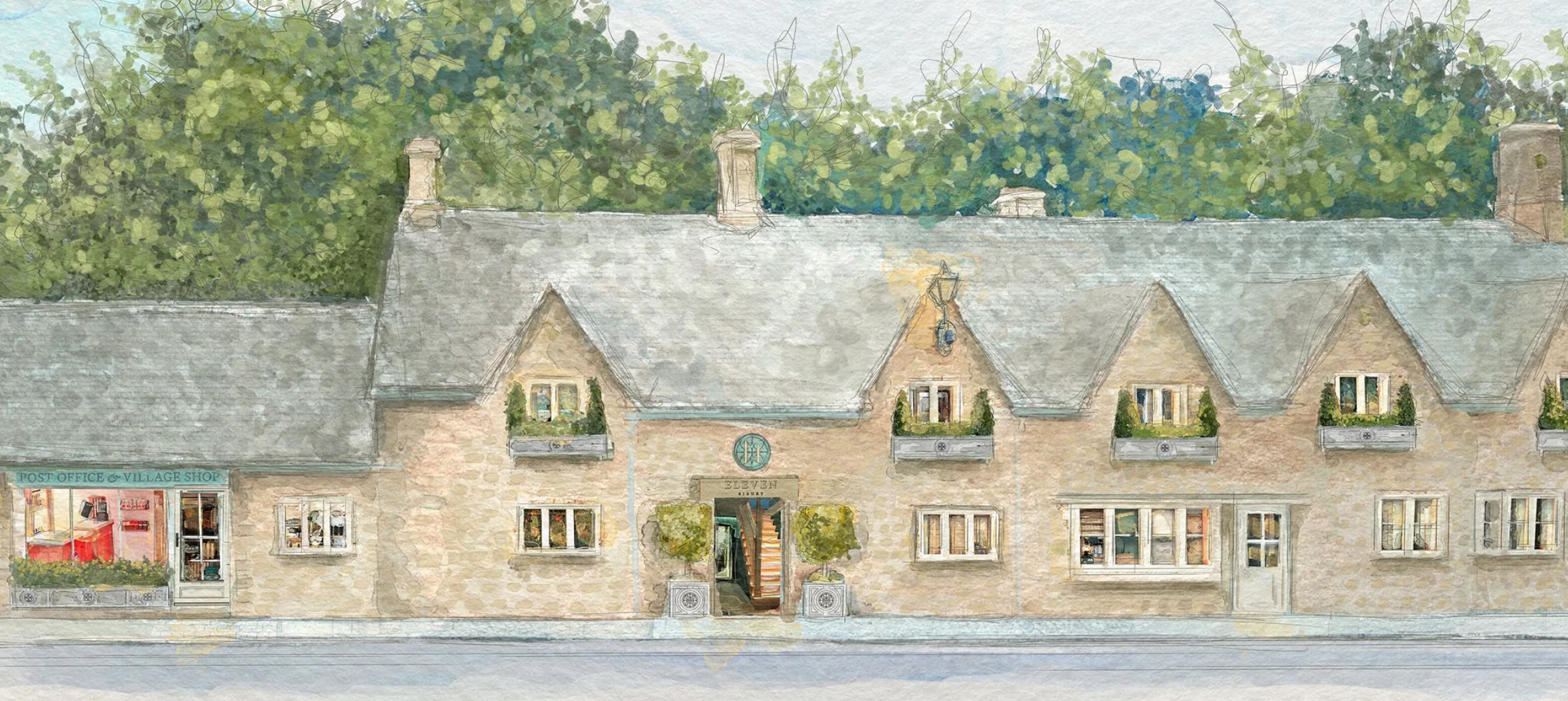
Eleven Bibury began as an idea held by our founder, Lady Anne Evans. Inspired by the Arts & Crafts Movement, and by a long-standing interest in history, art and design, she set out to bring a group of old buildings in the centre of Bibury back into use.
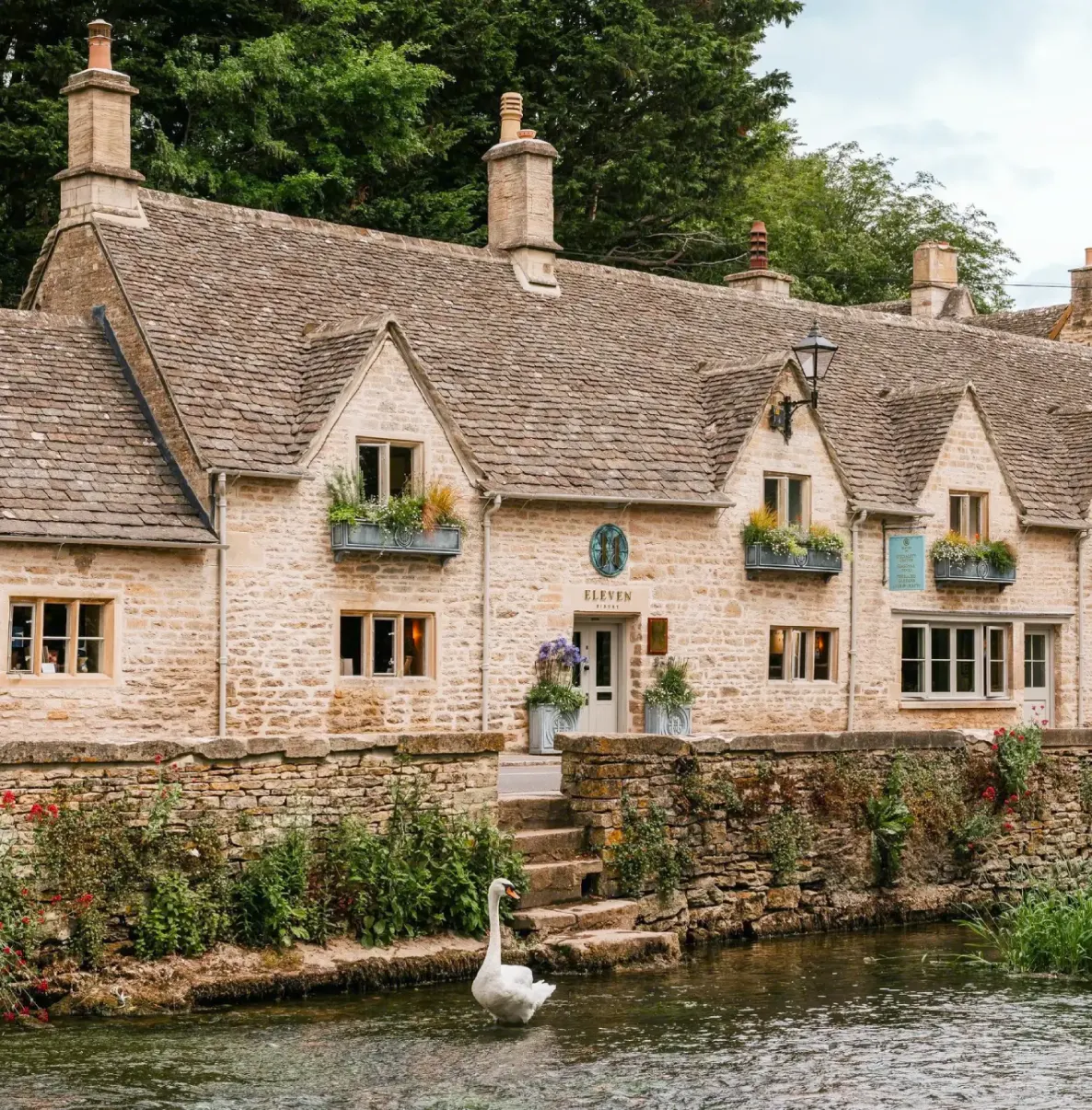
Opposite Arlington Row, the property was restored over four years, working with artisans and sourcing pieces that sit comfortably within the building’s past. What’s there now reflects that process, not just in how it looks, but in how it’s used day to day.
Today, Eleven Bibury is a place shaped by craft and attention to detail, where food, objects and the building itself all carry a sense of where they’ve come from.
The Building And Its Restoration
The buildings themselves have been part of Bibury for centuries. Their position, just opposite Arlington Row, places them within one of the most recognised parts of the Cotswolds.
Restoring them meant working carefully with what was already there. Materials were chosen with that in mind, and the process involved a number of skilled makers, each bringing their own discipline to the work.
Nothing was done to stand out. The intention was to return the buildings to use in a way that felt natural to their setting, while allowing them to be used again, properly.
.webp)
Our Values
The way Eleven Bibury operates is shaped by a small number of ideas that carry through everything.
Creativity
Creativity runs through every part of Eleven Bibury. From the dishes crafted daily in our kitchen to the curation of our Gallery Shop and the design of our restored spaces, imagination and originality are part of the everyday.
Inclusivity
Eleven Bibury is open in how it’s used. People come for different reasons, at different times, and it works across all of them without needing to define who it’s for.
Integrity
Decisions are made carefully, whether that’s sourcing ingredients, working with makers, or maintaining the building itself. The aim is simply to do things properly.
Provenance
There’s an emphasis on where things come from, and why they’re chosen. That applies to the food, the objects in the shop, and the materials used throughout.
Lady Anne Evans
As a child, Lady Anne spent weekends exploring National Trust houses, drawn to the lives and stories held within them. That early interest developed over time, first into a career in advertising, and then into a wider focus on art, design, and interiors.
When an abandoned building became available in her home village of Bibury, it presented an opportunity to bring those interests together. The project that followed became more than a restoration. It was a way of creating something lasting, rooted in the place itself.
Eleven Bibury reflects that approach. It’s personal, but not overstated, and shaped by a long-standing interest in how spaces are used and lived in.

From William Morris to Eleven Bibury
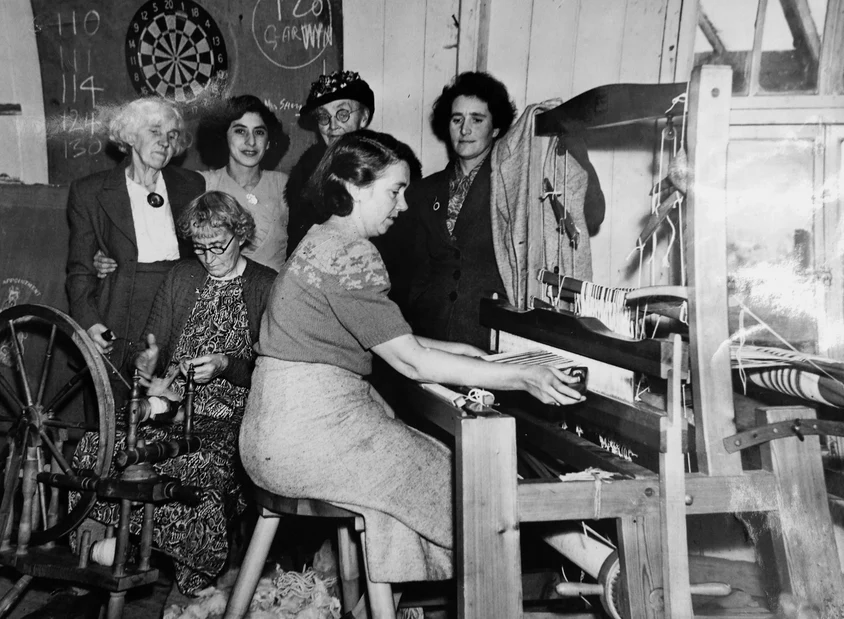
The Arts & Crafts Movement emerged in the late 19th century, at a time when industrialisation was changing how things were made. It placed value on craftsmanship, materials, and the idea that useful objects should also be well made.
The Cotswolds became closely associated with that way of thinking, drawing makers and designers who worked with a similar approach.
At Eleven Bibury, that influence is still present, though not in a way that feels deliberate or imposed. It’s reflected in the restoration, in the makers represented, and in the everyday details.
“Have nothing in your house that you do not know to be useful or believe to be beautiful.”
— William Morris
Stay Connected
Join our community and be the first to hear about new menus, makers, and events.